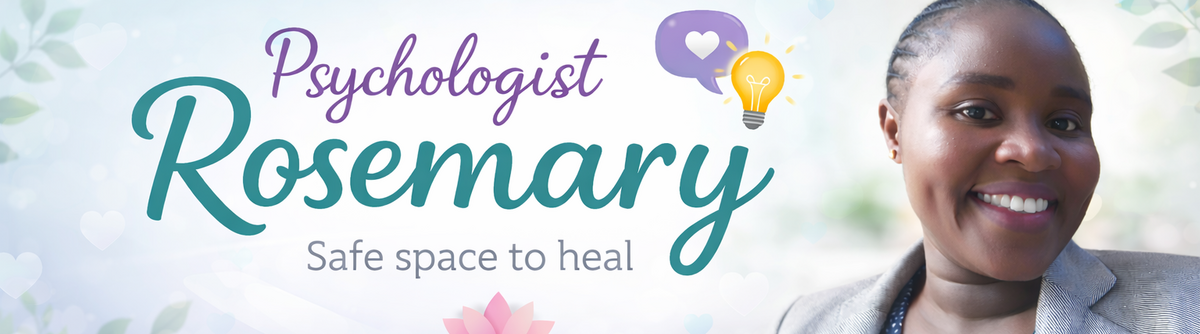
compassionate psychologist dedicated to creating a safe, non-judgmental space where clients can explore their experiences and grow. I specialize in addictions trauma, relationships, loss and grief and my approach combines evidence-based techniques with genuine empathy.”
TOPIC
RELATIONSHIPS
Are you struggling with relationships? Do you need a listening 👂 without any judgements or condemnation? Talk to me 🤗
🔥 popular
TOPIC
PEER INFLUENCE.
Are you struggling to make decisions due to peer pressure? I'm here to support you without any judgements or condemnation 🤗
TOPIC
WARM COMPANIONSHIP& GENUINE CONVERSATION
Just need someone real to talk to? No pressure, no judgement, just present, thoughtful conversation.🙂🤝
TOPIC
SELF CARE
Taking care of yourself is the first step to healing, inner peace 😊 YOU CAN DO THIS 💪
TRAUMA AS A GATEWAY TO ADDICTION!
Trauma often lies at the root of addiction. Many people turn to drugs or substances as a way to numb pain from past wounds—whether from childhood abuse, loss, neglect, or other deeply distressing experiences. This coping mechanism might start as a way to escape emotional or physical suffering, but over , it can spiral into dependence. Psychologically, trauma changes how we process emotions and stress. It can create feelings of fear, anxiety, and helplessness that feel unbearable to face alone. Addiction becomes a shield,a way to momentarily block out these overwhelming emotions.
COMPASSION IS PART OF THE CURE!
Addiction is a battle that often feels lonely and overwhelming. What people struggling with addiction need most isn’t judgment or blame, but compassion—genuine understanding and kindness. Compassion creates a safe space where healing can begin, and where hope can take root. From a psychological standpoint, compassion helps reduce shame and self-criticism, which are major obstacles in recovery. When people feel accepted despite their struggles, they are more likely to engage in treatment and believe in their ability to change.